单一的功能饮料可能会损害年轻人的心脏健康

只喝单一的功能饮料可能增加年轻人心血管事件的风险。这是根据《美国医学会杂志》发表的一项新的研究。
第一作者安娜Svatikova博士,罗彻斯特市梅奥诊所的心脏病研究员和他的同事们发现,年轻人消费一个16盎司功能饮料30分钟内显示血压和应激激素的增加,这可能增加心血管疾病的风险。
2015年的一个星期天研究小组在美国心脏协会科学会议上提出了他们的研究结果。
以市场为导向的功能饮料能提高生理和精神的表现,尤其在美国的青少年和年轻人越来越受欢迎。根据疾病预防和控制中心,大约31%的12-17岁的青少年和34%的18 - 24岁的成年人经常饮用功能饮料。
但是,随着功能饮料消费量增加引起公共卫生问题,饮料与许多严重的副作用相关联。2013年《今日医学新闻》发表的一项研究报道,例如,把功能饮料与心脏功能改变相关联。
更重要的是,2013年精神健康服务管理局(SAMHSA)发布的一份物质滥用涉及美国功能饮料消费2007 - 2011之间增加了一倍多的报告,急诊患者的访问量从10068增长到20783。咖啡因被认为在功能饮料中是最有害的成分,单瓶或双瓶的罐头包含大约80毫克的咖啡因到500毫克咖啡因。相比之下,一杯500毫克的咖啡平均含有100毫克的咖啡因。
功能饮料也有很高的糖分和其他可能含有产生类似咖啡因副作用的
植物性兴奋剂。
功能饮料和对照组饮料
在他们的研究中,Svatikova博士和他的同事在25名健康成年人中研究功能饮料如何影响血压、心率和压力反应,与安慰剂组相比较。
受试者平均年龄为29岁,没有已知的心血管疾病的风险因素。
在两天的时间里,最多两周,受试者在5分钟之内要求服用任何一种商用16盎司(480毫升)功能饮料或对照组的饮料。
功能饮料含有240毫克的咖啡因,2000毫克的牛磺酸,一种有助于神经发育和调节血液中的水和矿物质水平的氨基酸,来源于瓜拉那提取物种子,人参的根和水飞蓟。
对照组的饮料有和功能饮料相同的味道、质地、颜色,营养成分,但它缺乏咖啡因和其他兴奋剂。这项研究是双盲,所有参与者和研究者不知道哪一天饮了什么饮料。在每一次24小时研究之前,所有参与者要求避免饮酒或服用咖啡因。
每次喝饮料的前后30分钟之内,研究人员测量了参与者的血压、心率、血液中咖啡因含量和血糖水平,以及应激激素去甲肾上腺素的释放。
去甲肾上腺素升高血压,缩短并改变心脏心率和呼吸的能力以应对压力的变化。
饮用功能饮料后去甲肾上腺素水平上升71%。
研究人员发现参与者饮用功能饮料后咖啡因含量大幅提高,而对照组并不影响咖啡因的水平。
饮用功能饮料后,参与者收缩压上升了6.2%,舒张压上升6.8%。参与者之间的平均血压上升了6.4%,而对照组发现平均血压上升3%。
更重要的是,研究小组发现饮用功能饮料后去甲肾上腺素水平从150 pg / mL(每毫升皮克)到250 pg / mL,与对照组的去甲肾上腺素水平从140 pg / mL 到179 pg / mL相比较。这代表了饮用功能饮料后去甲肾上腺素水平上升了71%,而对照组服用饮料后去甲肾上腺素水平上升了31%。
研究团队确认服用功能饮料和对照组饮料在心率方面没有差异。
Svatikova博士相信该小组的研究成果引起关注,服用功能饮料后血压和应激激素的增加可能“使心脏事件的风险增加—甚至在健康的人身上”。她补充道:
“这些结果表明,由于可能的健康风险,人们应该谨慎饮用功能饮料。询问患者饮用功能饮料应成为内科医生的例行公事,特别是当解释急性病症的生命迹象时。(此文翻译自以下文章)
A single energy drink could harm heart health for young adults
Published: Monday 9 November 2015 at 9am PST
Drinking just a single energy drink may raise the risk for cardiovascular events among young, healthy adults. This is according to a new study published in JAMA.
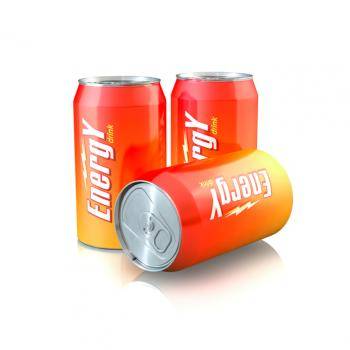
Researchers found that a single can of energy drink increased blood pressure and stress hormone responses among young adults.
First author Dr. Anna Svatikova, a cardiology fellow at Mayo Clinic in Rochester, MN, and colleagues found that young adults who consumed one 16-ounce energy drink showed a rise in blood pressure and an increase in stress hormone responses within 30 minutes, which may raise cardiovascular risk.
The team presented their findings at the American Heart Association's Scientific Sessions 2015 on Sunday.
Energy drinks - marketed as beverages that can boost physical and mental performance - are growing in popularity, particularly among adolescents and young adults in the US. According to the Centers for Disease Control and Prevention (CDC), energy drinks are regularly consumed by around 31% of teenagers aged 12-17 and 34% of adults aged 18-24.
But with the rise in energy drink consumption comes an increase in public health concern; the beverages have been linked to a number of severe side effects. A study reported by Medical News Today in 2013, for example, linked energy drinks to altered heart function.
What is more, a 2013 report from the Substance Abuse and Mental Health Services Administration (SAMHSA) found the number of emergency department visits in the US involving energy drink consumption more than doubled between 2007-11, from 10,068 visits to 20,783.
Caffeine is believed to be the most harmful ingredient in energy drinks; a single can or bottle contains anything from around 80 mg of caffeine to more than 500 mg. For comparison, a 500 mg cup of coffee contains an average of 100 mg of caffeine.
Energy drinks also have a high sugar content and may contain other plant-based stimulants that produce side effects comparable to those of caffeine.
Energy drink vs. sham drink
For their study, Dr. Svatikova and colleagues set out to investigate how energy drinks affected the blood pressure, heart rate and stress responses of 25 healthy adults, compared with a placebo drink.
Participants were an average age of 29 and had no known cardiovascular risk factors.
On 2 separate days, a maximum of 2 weeks apart, subjects were asked to consume either one commercially available 16-ounce (480 ml) energy drink or a sham drink within 5 minutes.
The energy drink contained around 240 mg of caffeine, 2,000 mg of taurine - an amino acid believed to aid neurological development and regulate water and mineral levels in the blood - and extracts of guarana seed, ginsengroot and milk thistle.
The sham drink had the same taste, texture, color and nutritional components of the energy drink, but it lacked caffeine and other stimulants.
The study was double-blind, so neither the participants nor the researchers knew which drinks participants were consuming on which day. Participants were asked to refrain from drinking alcohol or caffeine in the 24 hours before each study day.
Before and 30 minutes after each drink was consumed, the researchers measured participants' blood pressure, heart rate, blood caffeine levels and blood glucose levels, as well as the release of the stress hormone norepinephrine.
Norepinephrine, or noradrenaline, increases blood pressure, affects the heart's ability to contract and alters heart rate and breathing in response to stress.
71% rise in norepinephrine levels after energy drink consumption
The researchers identified a significant increase in caffeine levels after participants consumed the energy drink, while the sham drink did not affect caffeine levels.
After energy drink consumption, participants experienced a 6.2% rise in systolic blood pressure and a 6.8% rise in diastolic blood pressure. The average rise in blood pressure among participants was 6.4% following energy drink consumption, while an average 3% rise in blood pressure was found after consumption of the sham drink.
What is more, the team found norepinephrine levels increased from 150 pg/mL (picograms per milliliter) to 250 pg/mL after energy drink consumption, compared with a rise from 140 pg/mL to 179 pg/mL after consumption of the sham drink. This represents a 71% rise in norepinephrine levels after energy drink consumption, compared with a 31% rise after consumption of the sham drink.
The team identified no differences in heart rate after energy drink or sham drink consumption.
Dr. Svatikova believes the team's findings are a cause for concern, as the increase in blood pressure and stress hormone responses identified after energy drink consumption may "predispose an increased risk of cardiac events - even in healthy people." She adds:
"These results suggest that people should be cautious when consuming energy drinks due to possible health risks. Asking patients about energy drink consumption should become routine for physicians, particularly when interpreting vital signs in the acute setting."
收藏
回复(4)参与评论
评论列表
 bag111
 发发
发发 坤坤
坤坤