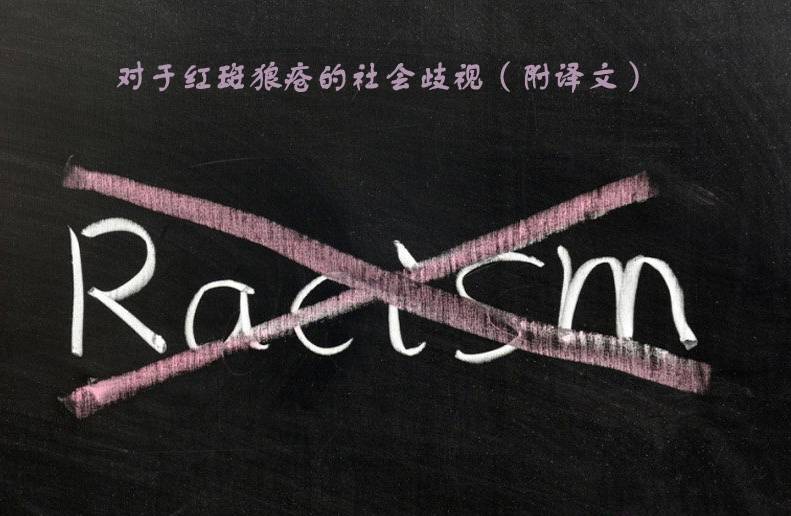
对于红斑狼疮的社会歧视(附译文)

英文摘自北美SLE论坛巜New life Outlook》译文由本人翻译,不妥之处请见谅解。
Social Stigma with Lupus
对于红斑狼疮的社会歧视
What Is Lupus and How Does It Affect Your Life?
A recent study featured in October 2013 issue of “Arthritis Care and Research” provides an in-depth review of several studies that evaluated the quality of life of Lupus sufferers. Based on the technique called thematic synthesis, researchers for University of Sydney led by Dr. A. Tong found 5 key concepts related to how this disease affects one’s life: restricted lifestyle, disrupted identity, social stigma and indifference, gaining resilience and treatment adherence.
红斑狼疮是什么和它如何影响你的生活?
最近的一项研究刊登在2013年10月“关节炎治疗和研究”杂志上,问题提供了一个经过深入审查的几项研究,评估了红斑狼疮患者的生活质量。基于称为主题合成的技术,由悉尼大学A.Tong博士领导的研究人员发现5个关键概念与这种疾病如何影响一个人的生活相关:受限制的生活,打乱了身份,社会歧视和冷漠,获得恢复力和治疗依从性。
More Details
Out of these 5 concepts that correlate with the quality of life in a Lupus patient, 2 were actually positive responses. Gaining resilience occurred due to the fact that Lupus sufferers accepted the limitations and learned to cope with this condition, while keeping an optimistic outlook of life.
更多细节
这五个概念关联了红斑狼疮患者的生活质量, 2实际上是积极的反应。获得恢复力是由于狼疮患者接受了限制和学会应对这种情况,同时保持一个乐观的生活前景。
Treatment adherence improved when the patients understood the benefits of medications for symptom management and built a great rapport with their doctors.
The remaining 3 key concepts included negative responses. Restricted lifestyle developed because the disease affects daily activities and the mood. Disrupted identity derived from the uncertainty related to the diagnosis, and prognosis of this condition and emotional burden.
当患者了解了可以控制症状的药物的好处并和他们的医生建立了一个良好关系时,治疗的依从性提高了。
剩下的三个关键概念包含了负面的反应。受限制的生活方式增加了,由于疾病影响日常活动和情绪使受限制的生活方式放大了。扰乱的身份来自相关的不确定性诊断、在这种情况下的预后和情绪。
Social stigma and indifference occurred when other people trivialized the condition, caused a feeling of being ostracized by the society and when friends and relatives became either over protective or intrusive.
当被别人忽视时,造成一种被社会排斥的感觉,或者由于朋友和亲戚的过度保护或过多侵入,社会歧视和冷漠就会发生。
Social Stigma and Indifference as Seen by Lupus Suffers
Illness trivialization was described by the patients in details in several research papers and expressed as the following: “my friends don’t understand, that when I say I’m too tired, I don’t mean I’m a bit tired, I mean I feel like I have the worst flu anyone ever had and I physically can’t get up” or “My ex-husband thought that when I was getting sick that I was faking it and I was hallucinating. We ended up divorcing.”
红斑狼疮患者看到的社会歧视和冷漠
在几个研究论文中被病人详细地描述了疾病遭受轻视,他们这样表达:“我的朋友们不明白,当我说我太累了,我不是说我有点累了,我的意思是我觉得我患了最严重的任何人都得过的流感,身体不能起床”或“我的前夫认为我生病时是我假装的,是我的幻觉。我们最后离婚告终。
Feeling socially ostracized is also very challenging, described as the following: “I don’t have a lot of friends. They are so cruel. ‘Oh look at her she is so ugly…’ they are cruel and mean. It’s unreal. When I go to places I just say to myself I’d like to be invisible if I could.”
被社会排斥的感觉也是非常具有挑战性,描述为:“我没有很多朋友。因为它们很残忍。“哦,看她她太丑了…”他们残酷和卑劣。这不是真的。当我去某个地方时我就对自己如果可能的话我想要做隐身人。”
Relatives and friends also changed their attitude. For example, a female patient with Lupus describing this way: “My colleagues or friends, who know I have lupus, they will see me in a different light, they see me as very fragile. I don’t like any special treatment,
亲戚和朋友也改变了他们的态度。例如,一位女狼疮患者这样描述:“我的同事或朋友,他们知道我有红斑狼疮,他们会以不同的眼光看我,他们看到我是非常脆弱的。我不喜欢受到特殊对待。
How to Deal with Social Stigma and Indifference
Do not try to isolate yourself; you deserve a normal, social life just like everyone else. The researchers believe that educational sessions, as well as psychological services offering both social and emotional support, and self-care programs can help patients to deal better with social stigma and indifference.
如何对待社会歧视和冷漠
不要试图孤立你自己;你应该得到一个和其他人一样的正常的社会生活。研究人员相信,教育宣传,以及心理服务提供社会和情感支持,和自我保健计划可以帮助患者更好地处理社会歧视和冷漠。
Social Stigma with Lupus
对于红斑狼疮的社会歧视
What Is Lupus and How Does It Affect Your Life?
A recent study featured in October 2013 issue of “Arthritis Care and Research” provides an in-depth review of several studies that evaluated the quality of life of Lupus sufferers. Based on the technique called thematic synthesis, researchers for University of Sydney led by Dr. A. Tong found 5 key concepts related to how this disease affects one’s life: restricted lifestyle, disrupted identity, social stigma and indifference, gaining resilience and treatment adherence.
红斑狼疮是什么和它如何影响你的生活?
最近的一项研究刊登在2013年10月“关节炎治疗和研究”杂志上,问题提供了一个经过深入审查的几项研究,评估了红斑狼疮患者的生活质量。基于称为主题合成的技术,由悉尼大学A.Tong博士领导的研究人员发现5个关键概念与这种疾病如何影响一个人的生活相关:受限制的生活,打乱了身份,社会歧视和冷漠,获得恢复力和治疗依从性。
More Details
Out of these 5 concepts that correlate with the quality of life in a Lupus patient, 2 were actually positive responses. Gaining resilience occurred due to the fact that Lupus sufferers accepted the limitations and learned to cope with this condition, while keeping an optimistic outlook of life.
更多细节
这五个概念关联了红斑狼疮患者的生活质量, 2实际上是积极的反应。获得恢复力是由于狼疮患者接受了限制和学会应对这种情况,同时保持一个乐观的生活前景。
Treatment adherence improved when the patients understood the benefits of medications for symptom management and built a great rapport with their doctors.
The remaining 3 key concepts included negative responses. Restricted lifestyle developed because the disease affects daily activities and the mood. Disrupted identity derived from the uncertainty related to the diagnosis, and prognosis of this condition and emotional burden.
当患者了解了可以控制症状的药物的好处并和他们的医生建立了一个良好关系时,治疗的依从性提高了。
剩下的三个关键概念包含了负面的反应。受限制的生活方式增加了,由于疾病影响日常活动和情绪使受限制的生活方式放大了。扰乱的身份来自相关的不确定性诊断、在这种情况下的预后和情绪。
Social stigma and indifference occurred when other people trivialized the condition, caused a feeling of being ostracized by the society and when friends and relatives became either over protective or intrusive.
当被别人忽视时,造成一种被社会排斥的感觉,或者由于朋友和亲戚的过度保护或过多侵入,社会歧视和冷漠就会发生。
Social Stigma and Indifference as Seen by Lupus Suffers
Illness trivialization was described by the patients in details in several research papers and expressed as the following: “my friends don’t understand, that when I say I’m too tired, I don’t mean I’m a bit tired, I mean I feel like I have the worst flu anyone ever had and I physically can’t get up” or “My ex-husband thought that when I was getting sick that I was faking it and I was hallucinating. We ended up divorcing.”
红斑狼疮患者看到的社会歧视和冷漠
在几个研究论文中被病人详细地描述了疾病遭受轻视,他们这样表达:“我的朋友们不明白,当我说我太累了,我不是说我有点累了,我的意思是我觉得我患了最严重的任何人都得过的流感,身体不能起床”或“我的前夫认为我生病时是我假装的,是我的幻觉。我们最后离婚告终。
Feeling socially ostracized is also very challenging, described as the following: “I don’t have a lot of friends. They are so cruel. ‘Oh look at her she is so ugly…’ they are cruel and mean. It’s unreal. When I go to places I just say to myself I’d like to be invisible if I could.”
被社会排斥的感觉也是非常具有挑战性,描述为:“我没有很多朋友。因为它们很残忍。“哦,看她她太丑了…”他们残酷和卑劣。这不是真的。当我去某个地方时我就对自己如果可能的话我想要做隐身人。”
Relatives and friends also changed their attitude. For example, a female patient with Lupus describing this way: “My colleagues or friends, who know I have lupus, they will see me in a different light, they see me as very fragile. I don’t like any special treatment,
亲戚和朋友也改变了他们的态度。例如,一位女狼疮患者这样描述:“我的同事或朋友,他们知道我有红斑狼疮,他们会以不同的眼光看我,他们看到我是非常脆弱的。我不喜欢受到特殊对待。
How to Deal with Social Stigma and Indifference
Do not try to isolate yourself; you deserve a normal, social life just like everyone else. The researchers believe that educational sessions, as well as psychological services offering both social and emotional support, and self-care programs can help patients to deal better with social stigma and indifference.
如何对待社会歧视和冷漠
不要试图孤立你自己;你应该得到一个和其他人一样的正常的社会生活。研究人员相信,教育宣传,以及心理服务提供社会和情感支持,和自我保健计划可以帮助患者更好地处理社会歧视和冷漠。


收藏
回复(5)举报
参与评论
评论列表
按投票顺序
 jane4201
我只有我的父母姐姐哥哥及老公家的个别亲戚知道,其他的不想让任何人知道我有这个病,不想被歧视的眼光下活着
举报
2015-11-28 18:59:03 有用(1)
回复(0)
 孩子的娘
孩子的娘这个病怎能谈到歧视,不懂
举报
2018-12-04 23:43:54 有用(0)
回复(0)
 常安长安
常安长安四点总结的好好,sle毋庸置疑的影响着生活,朋友社会生活医院,只希望大家能更好的理解我们,不会疑惑议论我们,我们才会更好的乐观的走下去……
举报
2015-12-03 21:41:30 有用(0)
回复(0)
 炎炎知夏
炎炎知夏别太在意别人的眼光,这个社会谁又在歧视谁?
举报
2015-11-28 16:32:03 有用(0)
回复(0)
 囧的王八蛋
囧的王八蛋有时候也确实不喜欢特殊待遇。
举报
2015-11-28 19:24:13 有用(0)
回复(0)
相关推荐
热点推荐
暂无数据
热门帖子





今日推荐