骁悉(吗替麦考酚酯)治疗SLE的作用与副作用(译文)

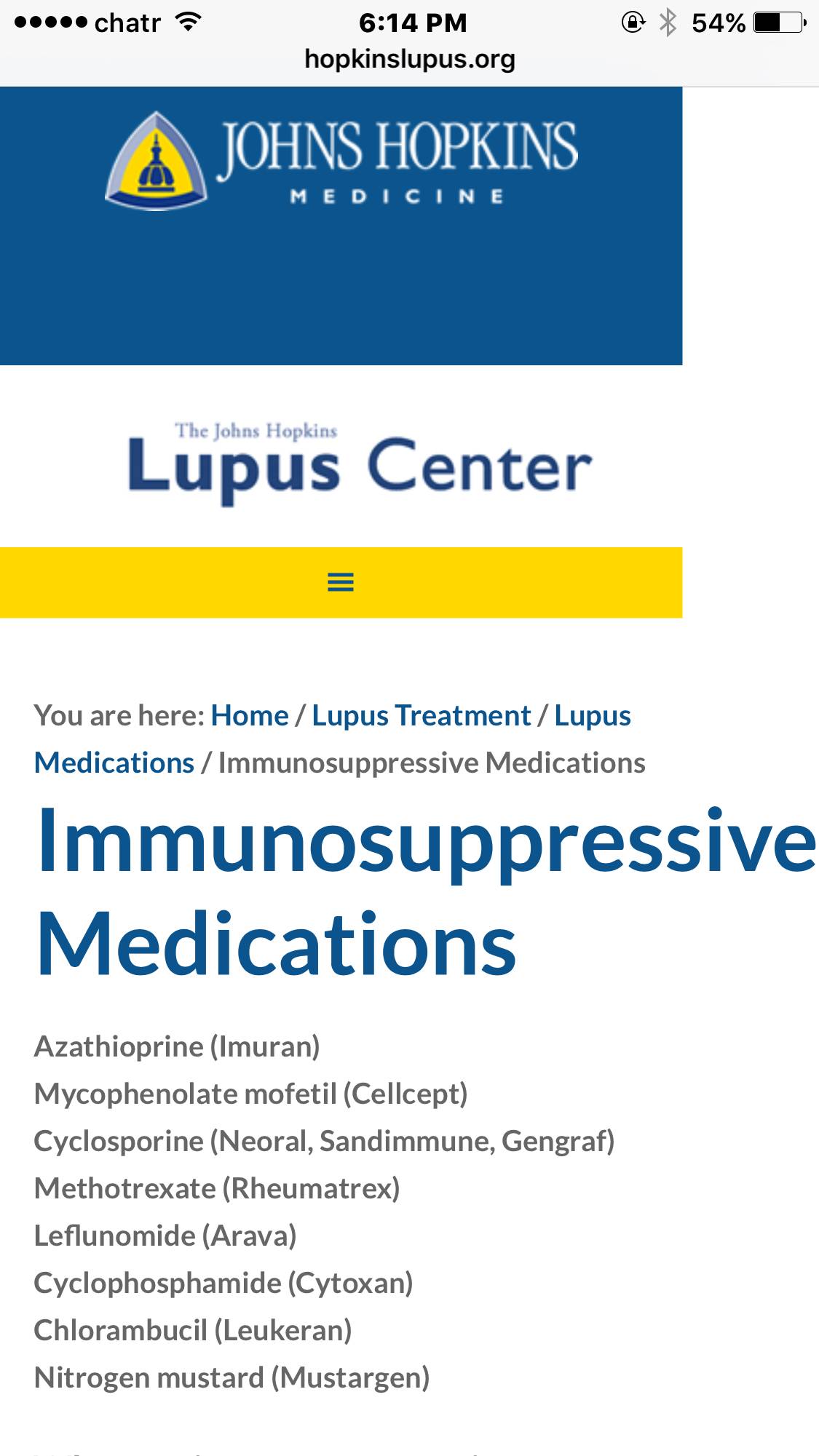
英文原文转自美国约翰霍普金森大学狼疮中心,译文本人翻译,谨供参考,请遵医嘱。译文在下段。
Mycophenolate mofetil (Cellcept)
Cellcept is an immunosuppressant used especially for lupus patients with signs of kidney disease. It works by targeting an enzyme in the body—a protein responsible for certain chemical reactions—that is important in the formation of DNA in your cells. In doing so, Cellcept impairs your immune system function as well. Usually Cellcept is given twice a day for a total dose of about 2000-3000 milligrams (mg) per day, but this dosage may be reduced. Like Imuran, Cellcept is steroid-sparing, so it may allow you and your doctor to reduce your dosage of steroid medications and thus also reduce their side effects.
Cellcept may cause some side effects. The most common effects include stomachache, nausea, vomiting, and/or diarrhea. Headache, dizziness, sleeplessness, and tremors (involuntary muscle movements) may also occur. Skin rashes can arise but are less common. Since lupus can also cause skin rashes, it may be difficult to determine whether a rash is from your medication or your lupus. You should speak with your doctor upon detecting any new rashes or symptoms.
Cellcept may also cause a reduction in the number of certain cells in your blood. A reduction in your white blood cell count could increase your chance of infection. As with other immunosuppressive medications, it is important that you try to avoid infection and notify your doctor at the first sign of illness. In addition, a reduction in red blood cells caused by Cellcept may lead to anemia, which could make you tired or lead to easy bruising. Cellcept can also reduce the number of platelets in your blood, which may also cause easy bruising or gastrointestinal bleeding (bleeding anywhere along the pathway that food travels in the body). Obtaining periodic blood tests while taking Cellcept can help you and your doctor to detect and correct these problems. Blood tests should be performed frequently during the first several months of taking this medication and less often as more time passes.
People over 65 and those that have experienced ulcers or other gastrointestinal disorders should speak to their doctors before taking Cellcept. People in these groups may experience an increased risk of side effects. In addition, there may be an increased risk of developing cancer such as lymphoma and skin cancer when taking immunosuppressives such as Cellcept. You should discuss this with your doctor before beginning this medication. It is important to realize, however, that Cellcept may be the best way to control the kidney disease associated with lupus, and that lupus too can cause cancer. Thus, prescribing Cellcept for your kidney involvement is not meant to introduce new risk factors, but rather to treat the seriousness of your condition at this moment in time.
In addition, be sure to wear sunscreen when going outside and avoid prolonged sun exposure—even if you are not taking immunosuppressive medications—since sunlight can also aggravate your lupus symptoms.
If you are pregnant, may become pregnant, or are breast-feeding, your doctor will strongly recommend that you stop taking Cellcept due to the risk of birth defects. In addition, even though it is not known whether Cellcept decreases the effectiveness of oral contraceptives, it may be able to reduce their concentration in the blood, so other forms of birth control are advised. Antacids can also interfere with your body’s absorption of Cellcept. If you need to take an antacid, do so at least one hour before or at least two hours after taking Cellcept. As with other immunosuppressive medications, you should speak to your doctor before getting any vaccines or having any sort of surgery.
Certain drugs may interact or interfere with the effectiveness of Cellcept. These medications include: cholestercholestyramine (Questran), acyclovir (Zovirax), gancyclovir (Cytovene), azathioprine (Imuran), antacids containing magnesium or aluminum hydroxide (such as Maalox, Rolaids, or Mylanta), oral contraceptives, trimethoprim/sulfamethoxazole (Bactrim),* theophylline (Theo-Dur), phenytoin (Dilantin), probenecid (Benemid), or aspirin and other salicylates.
Be sure to notify your doctor immediately if you experience easy bruising or bleeding, persistent or bloody diarrhea, trouble breathing, fever, or any sign of infection.
Recently, the FDA issued an alert regarding a possible relationship between Cellcept and a serious neurological disease called multifocal leukoencephalopathy (PML). A similar warning was issued regarding the drug rituximab (Rituxan) in late 2006. PML is an extremely rare but fatal disease, but it is important to understand that Cellcept and rituximab are not unique in their linkage to PML. PML is associated with conditions of severe immune deficiency, such as AIDS, cancer, lupus, and the immunosuppression that can be involved in the treatment of those conditions. Although immunosuppressive medications are effective in the treatment of lupus, your doctor can discuss with you the risk of this possible relationship and the use of the immunosuppressive medications involved in your advised treatment.
霉酚酸酯(骁悉)
对于超过65的老年人,和那些经常有溃疡或其他胃肠道功能紊乱的病人来说,服用骁悉之前应该跟医生商讨。这些人群其副作用的风险会增加很多。此外,可能会有增加患癌症的风险,淋巴瘤和皮肤癌等。对于使用免疫抑制剂immunosuppressives如骁悉,在使用之前需要和你的医生认真讨论。然而,重要的是要意识到,骁悉可能是最好的方式来控制与狼疮相关的肾脏疾病,而红斑狼疮也能导致癌症。因此,处方骁悉来参与你的肾脏治疗不是为了引入新的风险因素,而是来治疗您此刻更严重的病情。
此外,外出时一定要涂防晒霜,避免长时间太阳晒。如果不服用免疫抑制medications-since阳光也会加重你的红斑狼疮的症状。
如果你怀孕了,或者可能会怀孕,或者是母乳喂养的,医生会强烈建议你停止服用骁悉以减少出生缺陷的风险。此外,尽管目前尚不清楚骁悉减少口服避孕药的效果,但它能降低血液中的浓度,所以建议其他形式的避孕。
抗酸药也可以干扰你的身体对跷悉的吸收。如果你需要服用一种抗酸剂,那至少前一个小时或两个小时之后服用骁悉。与其他免疫抑制药物一样,服用骁悉阶段接种疫苗和做手术之前要通知你的医生
某些药物可能交互或干扰骁悉的有效性。这些药物包括:cholestercholestyramine(Questran),无环鸟苷(Zovirax)gancyclovir(Cytovene)咪唑硫嘌呤(硫唑嘌呤),抗酸药含有镁或氢氧化铝(如抗酸剂,Rolaids,或胃能达),口服避孕药,磺胺甲恶唑/甲氧苄氨嘧啶(Bactrim)*茶碱(Theo-Dur)、苯妥英(狄兰汀),丙磺舒(丙磺舒),或阿司匹林和其他水杨酸盐。
一定要立即通知你的医生如果你发现容易瘀伤或出血,持续或腹泻带血,呼吸困难,发热,或任何感染的迹象。
最近,美国食品药品监督管理局发布了预警有关可能的骁悉和严重的神经系统疾病之间的关系称为多病灶的脑白质病(PML)。与2006年底发出的关于药物美罗华(利妥昔单抗)类似。PML是一种罕见且致命的疾病,但重要的是要理解,骁悉和利妥昔单抗与PML的关联并不是唯一的。PML与那些严重免疫缺陷疾病有关,如艾滋病、癌症、红斑狼疮、和免疫抑制疾病以及其它免疫抑制剂可以参与治疗的疾病。虽然免疫抑制药物有效治疗红斑狼疮,医生会和你讨论可能增加的风险如果使用免疫抑制药物参与你的治疗。
Mycophenolate mofetil (Cellcept)
Cellcept is an immunosuppressant used especially for lupus patients with signs of kidney disease. It works by targeting an enzyme in the body—a protein responsible for certain chemical reactions—that is important in the formation of DNA in your cells. In doing so, Cellcept impairs your immune system function as well. Usually Cellcept is given twice a day for a total dose of about 2000-3000 milligrams (mg) per day, but this dosage may be reduced. Like Imuran, Cellcept is steroid-sparing, so it may allow you and your doctor to reduce your dosage of steroid medications and thus also reduce their side effects.
Cellcept may cause some side effects. The most common effects include stomachache, nausea, vomiting, and/or diarrhea. Headache, dizziness, sleeplessness, and tremors (involuntary muscle movements) may also occur. Skin rashes can arise but are less common. Since lupus can also cause skin rashes, it may be difficult to determine whether a rash is from your medication or your lupus. You should speak with your doctor upon detecting any new rashes or symptoms.
Cellcept may also cause a reduction in the number of certain cells in your blood. A reduction in your white blood cell count could increase your chance of infection. As with other immunosuppressive medications, it is important that you try to avoid infection and notify your doctor at the first sign of illness. In addition, a reduction in red blood cells caused by Cellcept may lead to anemia, which could make you tired or lead to easy bruising. Cellcept can also reduce the number of platelets in your blood, which may also cause easy bruising or gastrointestinal bleeding (bleeding anywhere along the pathway that food travels in the body). Obtaining periodic blood tests while taking Cellcept can help you and your doctor to detect and correct these problems. Blood tests should be performed frequently during the first several months of taking this medication and less often as more time passes.
People over 65 and those that have experienced ulcers or other gastrointestinal disorders should speak to their doctors before taking Cellcept. People in these groups may experience an increased risk of side effects. In addition, there may be an increased risk of developing cancer such as lymphoma and skin cancer when taking immunosuppressives such as Cellcept. You should discuss this with your doctor before beginning this medication. It is important to realize, however, that Cellcept may be the best way to control the kidney disease associated with lupus, and that lupus too can cause cancer. Thus, prescribing Cellcept for your kidney involvement is not meant to introduce new risk factors, but rather to treat the seriousness of your condition at this moment in time.
In addition, be sure to wear sunscreen when going outside and avoid prolonged sun exposure—even if you are not taking immunosuppressive medications—since sunlight can also aggravate your lupus symptoms.
If you are pregnant, may become pregnant, or are breast-feeding, your doctor will strongly recommend that you stop taking Cellcept due to the risk of birth defects. In addition, even though it is not known whether Cellcept decreases the effectiveness of oral contraceptives, it may be able to reduce their concentration in the blood, so other forms of birth control are advised. Antacids can also interfere with your body’s absorption of Cellcept. If you need to take an antacid, do so at least one hour before or at least two hours after taking Cellcept. As with other immunosuppressive medications, you should speak to your doctor before getting any vaccines or having any sort of surgery.
Certain drugs may interact or interfere with the effectiveness of Cellcept. These medications include: cholestercholestyramine (Questran), acyclovir (Zovirax), gancyclovir (Cytovene), azathioprine (Imuran), antacids containing magnesium or aluminum hydroxide (such as Maalox, Rolaids, or Mylanta), oral contraceptives, trimethoprim/sulfamethoxazole (Bactrim),* theophylline (Theo-Dur), phenytoin (Dilantin), probenecid (Benemid), or aspirin and other salicylates.
Be sure to notify your doctor immediately if you experience easy bruising or bleeding, persistent or bloody diarrhea, trouble breathing, fever, or any sign of infection.
Recently, the FDA issued an alert regarding a possible relationship between Cellcept and a serious neurological disease called multifocal leukoencephalopathy (PML). A similar warning was issued regarding the drug rituximab (Rituxan) in late 2006. PML is an extremely rare but fatal disease, but it is important to understand that Cellcept and rituximab are not unique in their linkage to PML. PML is associated with conditions of severe immune deficiency, such as AIDS, cancer, lupus, and the immunosuppression that can be involved in the treatment of those conditions. Although immunosuppressive medications are effective in the treatment of lupus, your doctor can discuss with you the risk of this possible relationship and the use of the immunosuppressive medications involved in your advised treatment.
霉酚酸酯(骁悉)
骁悉是一种免疫抑制剂,特别用于有肾脏疾病的狼疮患者。它通过靶向作用在机体中的一种酶,一种负责某些化学反应的蛋白酶,而这种酶是在你的细胞DNA形成中起着非常重要的作用。在这一过程中,骁悉也会破坏你的免疫系统的功能。通常骁悉给出一天两次的总剂量约2000 - 3000毫克每天(毫克),但是这个剂量可能会减少。硫唑嘌呤、骁悉都是激素的后备药steroid-sparing,所以它可能让你和你的医生减少类固醇药物的剂量,从而也减少副作用。
骁悉可能会导致一些副作用。最常见的影响包括胃痛,恶心,呕吐,和/或腹泻。头痛、头晕、失眠、震颤(不随意肌运动)也可能发生。可能出现皮疹,但已经不那么常见了。由于狼疮也会引起皮疹,它可能很难确定是否是因为药物还是因为红斑狼疮的皮疹。你应该和你的医生谈谈,一旦发现到任何新的皮疹或症状。
骁悉也可能导致减少血液中的某些细胞的数量。减少你的白细胞计数会增加感染的机会。与其他免疫抑制药物一样,重要的是,你要尽量避免感染,如果有任何感染疾病的迹象立即通知你的医生。
此外,因为骁悉引起的红细胞减少可能导致贫血,这能让你感觉疲倦或导致容易淤伤。骁悉还可以减少血液中的血小板数量,这也可能导致容易瘀伤或胃肠道出血(血途径的任何地方,食管)。服用骁悉期间要定期抽血化验,可以帮助你和你的医生来检测并纠正这些问题。在初服骁悉的前几个月血液测试应该频繁一些,随着服用时间的加长而可以慢慢减少次数。
对于超过65的老年人,和那些经常有溃疡或其他胃肠道功能紊乱的病人来说,服用骁悉之前应该跟医生商讨。这些人群其副作用的风险会增加很多。此外,可能会有增加患癌症的风险,淋巴瘤和皮肤癌等。对于使用免疫抑制剂immunosuppressives如骁悉,在使用之前需要和你的医生认真讨论。然而,重要的是要意识到,骁悉可能是最好的方式来控制与狼疮相关的肾脏疾病,而红斑狼疮也能导致癌症。因此,处方骁悉来参与你的肾脏治疗不是为了引入新的风险因素,而是来治疗您此刻更严重的病情。
此外,外出时一定要涂防晒霜,避免长时间太阳晒。如果不服用免疫抑制medications-since阳光也会加重你的红斑狼疮的症状。
如果你怀孕了,或者可能会怀孕,或者是母乳喂养的,医生会强烈建议你停止服用骁悉以减少出生缺陷的风险。此外,尽管目前尚不清楚骁悉减少口服避孕药的效果,但它能降低血液中的浓度,所以建议其他形式的避孕。
抗酸药也可以干扰你的身体对跷悉的吸收。如果你需要服用一种抗酸剂,那至少前一个小时或两个小时之后服用骁悉。与其他免疫抑制药物一样,服用骁悉阶段接种疫苗和做手术之前要通知你的医生
某些药物可能交互或干扰骁悉的有效性。这些药物包括:cholestercholestyramine(Questran),无环鸟苷(Zovirax)gancyclovir(Cytovene)咪唑硫嘌呤(硫唑嘌呤),抗酸药含有镁或氢氧化铝(如抗酸剂,Rolaids,或胃能达),口服避孕药,磺胺甲恶唑/甲氧苄氨嘧啶(Bactrim)*茶碱(Theo-Dur)、苯妥英(狄兰汀),丙磺舒(丙磺舒),或阿司匹林和其他水杨酸盐。
一定要立即通知你的医生如果你发现容易瘀伤或出血,持续或腹泻带血,呼吸困难,发热,或任何感染的迹象。
最近,美国食品药品监督管理局发布了预警有关可能的骁悉和严重的神经系统疾病之间的关系称为多病灶的脑白质病(PML)。与2006年底发出的关于药物美罗华(利妥昔单抗)类似。PML是一种罕见且致命的疾病,但重要的是要理解,骁悉和利妥昔单抗与PML的关联并不是唯一的。PML与那些严重免疫缺陷疾病有关,如艾滋病、癌症、红斑狼疮、和免疫抑制疾病以及其它免疫抑制剂可以参与治疗的疾病。虽然免疫抑制药物有效治疗红斑狼疮,医生会和你讨论可能增加的风险如果使用免疫抑制药物参与你的治疗。
收藏
回复(16)举报
参与评论
评论列表
按投票顺序
 臭小黄^_^
学习了
举报
2016-02-18 13:38:39 有用(0)
回复(0)
 偶然2010
你知识面真广,我手抖可能吃吗替有关
举报
2016-02-18 15:06:42 有用(0)
回复(1)
 蔯蓦莳惍 狼迹天涯
来氟米特和骁悉有什么区别?哪样更好些?
举报
2016-02-18 15:10:45 有用(0)
回复(7)
偶然2010抑制T細胞哪个药更好?
举报
2016-02-18 16:07:56 有用(0)
回复(0)
 沛然雨下
沛然雨下谢谢 我刚开始用
举报
2016-02-18 23:39:58 有用(0)
回复(0)
 炎炎知夏
炎炎知夏药都是双刃剑,必须耐受其副作用!
举报
2016-02-18 19:23:07 有用(0)
回复(0)
相关推荐
热点推荐
暂无数据
热门帖子







今日推荐